
Pele La Pass to Rukubji Village Hike (Trans Bhutan Trail Section)
By: AD Tours on March 13, 2026
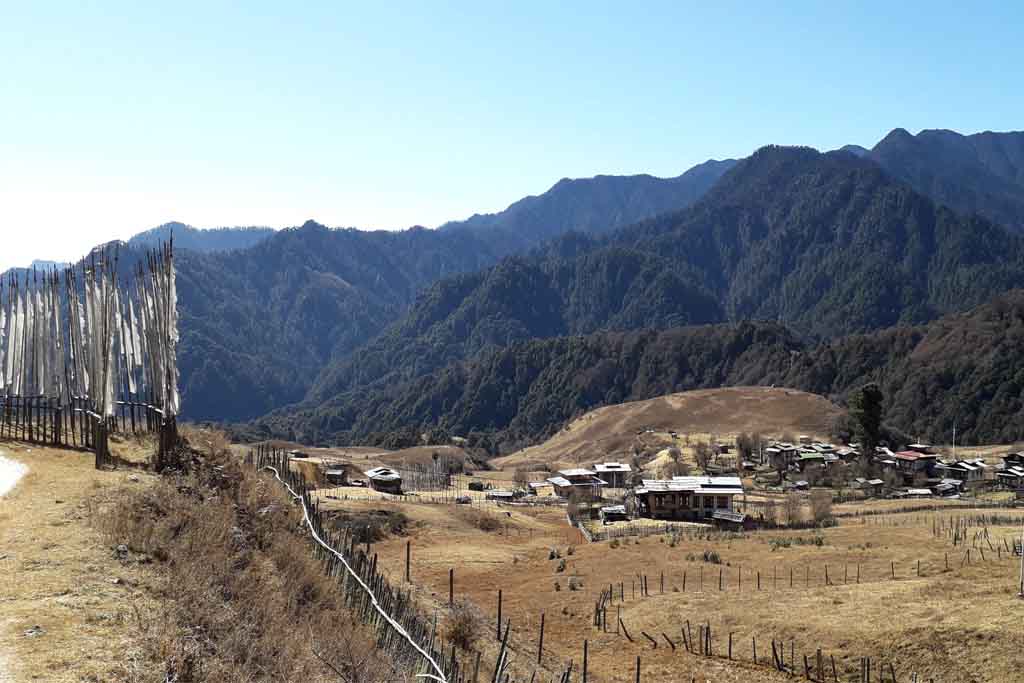
From Pele La Pass, which sits at an altitude of about 3,420 meters, you begin a beautiful and culturally rich hike toward Rukubji Village. Pele La Pass is traditionally considered the natural boundary between western and central Bhutan and offers sweeping views of alpine meadows, dense forests, and distant Himalayan ridges.
The trail you follow is part of the historic Trans Bhutan Trail, a centuries-old route that once served as the main pathway connecting eastern and western Bhutan. In earlier times, traders, monks, messengers, and travelers used this trail to move between villages and dzongs across the kingdom. Today, it has been restored as a cultural trekking route, allowing visitors to experience Bhutan’s landscapes and traditional way of life.
The hike begins with a gentle descent from Pele La Pass through open alpine meadows often used as grazing grounds for yaks and cattle. The air here is crisp and cool, and on clear days the surrounding mountains and valleys provide spectacular views. As you continue, the trail gradually leads into peaceful forests of blue pine, fir, and rhododendron, which bloom beautifully during the spring season.
Further along the trail, you begin to encounter small clusters of traditional Bhutanese farmhouses, prayer flags, and chortens (Buddhist stupas), reflecting the spiritual culture deeply rooted in rural Bhutan. The path passes through Rukubji Village, a charming highland settlement known for its distinctive traditional architecture, stone houses, and terraced fields. The village is home to a small community of farmers and yak herders who maintain a lifestyle closely connected to nature and tradition.
Hikers can choose to end the walk at Rukubji Village, where a vehicle may be arranged for pickup. However, those wishing to continue can extend the hike further along the valley toward the picturesque Chendebji Chorten. This striking white stupa, built in the 19th century by Lama Shida from Tibet, was constructed in the style of the famous Boudhanath Stupa in Nepal. According to local belief, the chorten was built to subdue a powerful spirit that once inhabited the area.
The hike offers a perfect combination of natural beauty, cultural encounters, and historical significance, making it one of the most rewarding walking experiences in central Bhutan.
Difficulty Level: Moderate
Walking Time: Approximately 3–4 hours, depending on the endpoint
Highlights: Pele La Pass landscapes, Trans Bhutan Trail heritage, traditional Rukubji village life, alpine meadows, yak pastures, and the historic Chendebji Chorten.
Related
- Singye Dra Hike – Sacred Cave and Meditation Site in Paro
- Bumdra Trek – Bhutan’s Spiritual Mountain Adventure
- Hongtsho to Lungchutse Hike via Tashigang Lhakhang
- Jiligang Lhakhang Hike (Punakha Valley)
- Pele La Pass to Rukubji Village Hike (Trans Bhutan Trail Section)
- Mangde Foot Trail Trongsa – Old Route Hike
- Longtey to Kumbu Village Hike (Phobjikha Valley)
- GROSS NATIONAL HAPPINESS
- 🇧🇹 Bhutan New Tourism Policy 2022 – SDF Fees & Visa/Permit Rules explained
- 🌏 Best Travel Companies in Bhutan – How to Choose the Right One
- ✈️ Direct Flights to Bhutan – “Reach Bhutan Faster, Travel Smarter.”
- 🚁 Helicopter Services in Bhutan – “Exclusive Air Experiences in Bhutan.”
- 🌱 Pure Vegetarian Food in Bhutan – “From Temple Trails to Veg Plates in Bhutan.”
- Bhutan Biking Tours – Top 5 Essential Tips for an Unforgettable Ride
- Top 15 Bhutan Travel Tips for 2026 – Your Guide to Meaningful Travel
- Best Time to Visit Bhutan: Month by Month Guide
- How Many Days Do You Really Need to visit Bhutan?
- Top 10 Reasons to Travel to Bhutan During June to August
- Mystical Bhutan
- Happiness is a Place
- Bhutanese Cuisine
Need Assistance?
Call Us : +975-17351324
+975-17495729
Email Us : adbhutantours@gmail.com
Send your Queries
