GROSS NATIONAL HAPPINESS
By: AD Tours on March 11, 2026
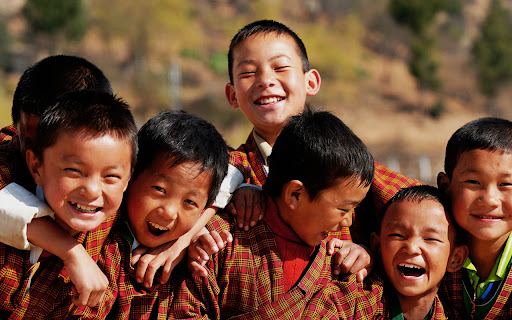
In 1972, Bhutan’s visionary Fourth King, Jigme Singye Wangchuck, gave the world a new way to think about progress. He believed that measuring a country only by money and production missed what truly matters, the happiness of its people. And so, the idea of Gross National Happiness (GNH) was born.
Unlike GDP, which counts economic output, GNH asks a deeper question: Are people living meaningful, balanced, and joyful lives?
Modern life often links happiness to wealth and possessions. But such pleasures are temporary. In Bhutan, happiness is rooted in inner peace, family bonds, community connection, cultural identity, and living in harmony with nature.
This philosophy shapes national policies, ensuring development never comes at the cost of well-being, environment, or heritage. GNH became a guiding principle of governance and was later written into the Constitution.
A Different Kind of Success
Bhutan’s approach surprised the world. In 2007, it ranked among the happiest nations despite modest economic statistics. The Bhutanese credit their contentment to strong communities, simple living, spiritual values, and close family ties.
Travelers often arrive curious and leave inspired, touched by the country’s sincerity, pristine landscapes, and living traditions.
Core Beliefs
- Happiness is more than wealth
- Strong families and communities matter
- Culture and traditions must be protected
- Nature must be preserved
- Governance should serve people’s well-being
Four Pillars
- Environmental Conservation
- Sustainable & Equitable Development
- Good Governance
- Cultural Preservation
Nine Domains
Living standards, education, health, environment, community vitality, time use, psychological well-being, governance, and cultural resilience.
Bhutan’s policies align with GNH, making it one of the world’s most admired models of holistic development.
GNH reminds the world that development should nurture both prosperity and peace of mind.
Related
- Singye Dra Hike – Sacred Cave and Meditation Site in Paro
- Bumdra Trek – Bhutan’s Spiritual Mountain Adventure
- Hongtsho to Lungchutse Hike via Tashigang Lhakhang
- Jiligang Lhakhang Hike (Punakha Valley)
- Pele La Pass to Rukubji Village Hike (Trans Bhutan Trail Section)
- Mangde Foot Trail Trongsa – Old Route Hike
- Longtey to Kumbu Village Hike (Phobjikha Valley)
- GROSS NATIONAL HAPPINESS
- 🇧🇹 Bhutan New Tourism Policy 2022 – SDF Fees & Visa/Permit Rules explained
- 🌏 Best Travel Companies in Bhutan – How to Choose the Right One
- ✈️ Direct Flights to Bhutan – “Reach Bhutan Faster, Travel Smarter.”
- 🚁 Helicopter Services in Bhutan – “Exclusive Air Experiences in Bhutan.”
- 🌱 Pure Vegetarian Food in Bhutan – “From Temple Trails to Veg Plates in Bhutan.”
- Bhutan Biking Tours – Top 5 Essential Tips for an Unforgettable Ride
- Top 15 Bhutan Travel Tips for 2026 – Your Guide to Meaningful Travel
- Best Time to Visit Bhutan: Month by Month Guide
- How Many Days Do You Really Need to visit Bhutan?
- Top 10 Reasons to Travel to Bhutan During June to August
- Mystical Bhutan
- Happiness is a Place
- Bhutanese Cuisine
Need Assistance?
Call Us : +975-17351324
+975-17495729
Email Us : adbhutantours@gmail.com
Send your Queries
